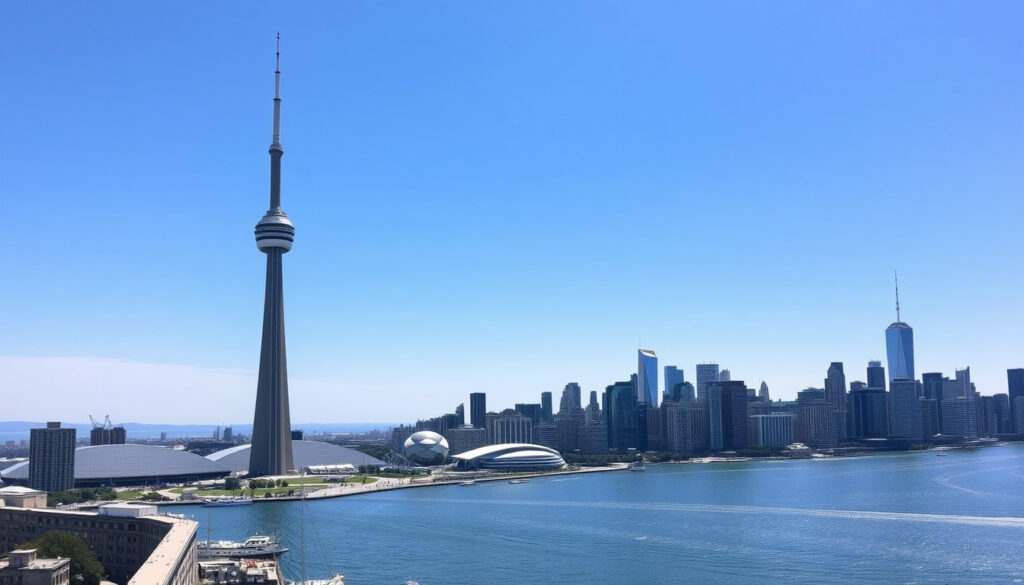
Places to Visit Toronto – Top Attractions and Itineraries
Toronto stands as Canada’s largest city, a sprawling metropolis where towering skyscrapers meet waterfront promenades and Victorian architecture anchors modern cultural institutions. The city’s diverse neighborhoods, world-class museums, and natural escapes offer visitors an unusually wide range of experiences within a compact downtown core. From the iconic silhouette of the CN Tower to the tranquil beaches of Toronto Islands, the city rewards travelers who take time to explore its many layers.
Each year, millions of visitors discover why Toronto consistently ranks among North America’s most welcoming destinations. The city’s multicultural fabric manifests in its food scenes, festivals, and neighborhood identities. Whether arriving for a weekend getaway or an extended exploration, visitors find attractions spanning history, art, nature, and entertainment—all connected by one of the continent’s most functional transit systems.
This guide covers the essential places every Toronto visitor should consider, from landmark attractions to lesser-known neighborhood gems. Practical planning advice accompanies each recommendation, helping travelers maximize their time in a city that rewards both first-time visitors and seasoned explorers returning for new discoveries.
Toronto’s attractions fall into several categories, each offering distinct experiences. The following overview helps visitors prioritize based on interests, available time, and travel style.
Toronto’s Top 4 Iconic Spots at a Glance
| Attraction | Why Visit | Location | Est. Time |
|—|—|—|—|
| CN Tower | Panoramic city views from 553 meters | Downtown Core | 2 hours |
| Royal Ontario Museum | Dinosaur fossils, world art, natural history | Yorkville | 3 hours |
| Distillery District | Victorian industrial architecture, galleries, restaurants | East End | 2 hours |
| Toronto Islands | Ferry beaches, parkland, skyline views | Harbourfront | Half day |
Toronto combines urban attractions with green spaces—the CN Tower sits minutes from High Park trails. The TTC transit system reaches most major attractions; a day pass offers the best value for visitors. CN Tower observation deck tickets sell out during peak summer months; advance booking is recommended. Summer brings festivals, outdoor concerts, and the Toronto Islands at their most vibrant. Winter transforms the city with Christmas markets, outdoor skating, and fewer crowds at major museums. Walking between downtown attractions covers roughly 5–7 kilometers; comfortable footwear matters. Torontonians embrace their city year-round; locals often have the best recommendations for hidden gems.
| Attraction | Type | Best For | Accessibility |
|—|—|—|—|
| CN Tower | Landmark | Views, photography | Wheelchair accessible |
| Royal Ontario Museum | Museum | Families, history buffs | Full accessibility |
| Ripley’s Aquarium of Canada | Aquarium | Families, marine life | Fully accessible |
| Distillery District | Neighborhood | Architecture, dining | Paved surfaces |
| Casa Loma | Historic house | Romance, history | Limited mobility areas |
| Art Gallery of Ontario | Museum | Art lovers | Fully accessible |
| St. Lawrence Market | Market | Food, culture | Mostly accessible |
| High Park | Park | Nature, recreation | Various trails |
| Nathan Phillips Square | Public square | Photos, events | Fully accessible |
| Toronto Islands | Nature escape | Relaxation, beaches | Ferry-dependent |
The question of how much time to spend in Toronto depends largely on travel pace and interests. Most first-time visitors find that three to five days allows meaningful exploration without feeling rushed.
This sample plan covers major downtown attractions while leaving room for unexpected discoveries.
1. **Day 1 – Downtown Icons:** Start morning at CN Tower for aerial views, then walk to Ripley’s Aquarium of Canada next door. Afternoon brings St. Lawrence Market for lunch among historic stalls. Evening at Nathan Phillips Square for photos beneath the illuminated Toronto Sign.
2. **Day 2 – Culture and Neighborhoods:** Morning at Royal Ontario Museum exploring dinosaur halls and world collections. Afternoon takes in the Art Gallery of Ontario, where Frank Gehry’s architecture itself becomes part of the experience. Evening dinner in the Distillery District’s pedestrian-only cobblestone streets.
3. **Day 3 – Nature Escapes:** Morning ferry to Toronto Islands for beaches and skyline views. Afternoon return via Harbourfront Centre for waterfront strolls. Alternative: High Park trails, the zoo, and cherry blossom viewing in spring.
For visitors with more time, add a fourth or fifth day to explore Scarborough Bluffs, Casa Loma’s secret passages, and the bohemian streets of Kensington Market. Families may need five to seven days to pace museum visits and outdoor activities with young children.
Toronto reveals different personalities across seasons, each offering compelling reasons to visit.
– **Late Spring (May–June):** Cherry blossoms in High Park, comfortable temperatures, and manageable crowds at major attractions.
– **Summer (July–August):** Peak festival season with outdoor concerts, Toronto Islands at fullest, and longest daylight hours. Expect larger crowds at popular sites.
– **Early Fall (September–October):** Scarborough Bluffs showcase foliage colors, museum visits become more relaxed, and weather remains mild.
– **Winter (November–February):** Christmas markets in the Distillery District, outdoor skating rinks, and significantly fewer tourists at major attractions.
Annual events like Doors Open Toronto—which opens over 150 sites for free access—provide special opportunities to explore the city’s architectural and cultural treasures. Checking event calendars before travel helps visitors align timing with unique experiences.
Toronto excels at offering attractions that engage visitors of all ages. Families and budget-conscious travelers find particularly strong options throughout the city.
Children respond especially well to Toronto’s interactive museums and outdoor spaces. Ripley’s Aquarium captivates young visitors with its underwater tunnels, hands-on touch tanks, and the option to book shark dives or overnight experiences. The Royal Ontario Museum’s Discovery Zone features dinosaur skeletons and interactive exhibits specifically designed for younger visitors, while Casa Loma appeals to children’s sense of adventure with its secret passages and tower climbs.
Outdoor family options include High Park’s zoo (home to bison, deer, and peacocks), playground facilities, and nature trails that transform with the seasons. Toronto Islands offer beaches, bike rentals, and the Centreville amusement park, accessible only by ferry from Harbourfront Centre.
Several of Toronto’s most memorable experiences cost nothing. Nathan Phillips Square in front of City Hall provides the iconic Toronto Sign backdrop for photographs, plus free outdoor skating in winter and summer programming. Queen’s Park surrounds the Ontario Legislative Building with walking paths and monuments, while Kensington Market offers wandering through eclectic streets lined with vintage shops and street art.
– Nathan Phillips Square – Toronto Sign photos, events
– High Park – Trails, zoo, cherry blossoms
– Queen’s Park – Monuments, green space
– Kensington Market – Bohemian atmosphere, street art
– Allan Gardens – Victorian greenhouse, orchids
– Scarborough Bluffs – Lake Ontario views, hiking
Many museums offer free or discounted admission on specific days or evenings. The AGO provides free admission on Wednesday evenings, while community events throughout the year open attractions at no cost.
Beyond the famous landmarks, Toronto rewards visitors who venture off the beaten path. The Gooderham Building—known locally as the Flatiron Building—presents one of the city’s most photographed Victorian brick facades at Adelaide and Wellington. Evergreen Brick Works occupies a converted industrial site with sustainable trails, a Saturday farmers market, and educational programs about urban ecology.
The Bentway beneath the Gardiner Expressway hosts rotating public art installations and community programming, transforming an unlikely urban space into gathering places. For something completely different, visitors can catch a game and experience the electric atmosphere described in Maple Leafs vs Senators Tickets—two NHL teams that ignite passionate local pride and showcase Canadian sports culture at its finest.
Toronto’s character reveals itself through its distinct neighborhoods, each with its own identity, architecture, and attractions. Exploring beyond the downtown core uncovers the city’s layered complexity.
The Distillery District stands apart as North America’s largest collection of Victorian industrial architecture. Pedestrian-only cobblestone streets wind past converted warehouses now housing galleries, boutiques, and restaurants. The Distillery District hosts events year-round, including the renowned Christmas Market when thousands of lights transform the historic space. Spring and summer bring outdoor art exhibitions, live performances, and café culture that spills onto the walkways.
No visit to Toronto feels complete without time spent in Kensington Market, a bohemian enclave that defies easy description. Vintage clothing racks spill onto sidewalks, while Caribbean grocers, cheese shops, and coffee roasters occupy century-old buildings. Street art covers unexpected surfaces, and the neighborhood hosts annual festivals celebrating its multicultural character. The area transforms by evening as bars and live music venues take over.
The St. Lawrence Market area represents Toronto’s historic heart. The market itself—housed in a building designated a National Historic Site—offers vendors selling everything from peameal bacon sandwiches to artisanal cheeses. Surrounding streets feature preserved 19th-century architecture, heritage sites, and the financial district’s contrast of glass towers against cobblestone lanes.
For something uniquely Toronto, The Bentway occupies space beneath the Gardiner Expressway with public art installations, community events, and creative programming that activates what many cities would consider wasted space. Ice skating in winter and film screenings in summer draw locals and visitors seeking experiences away from conventional tourist paths. For a unique Toronto experience, consider exploring The Bentway, a vibrant public space under the Gardiner Expressway featuring art, events, and seasonal activities like ice skating and film screenings. Parcs d’attractions en France
Understanding which aspects of a Toronto visit remain consistent versus those affected by timing and circumstances helps travelers set realistic expectations.
| Generally Reliable | Variable Factors |
|—|—|
| CN Tower operating hours | Festival dates and schedules |
| Museum admission policies | Weather-dependent outdoor activities |
| TTC transit routes | Summer crowd levels |
| Ferry schedules to Toronto Islands | Cherry blossom timing (spring) |
| Restaurant and shop availability | Special event road closures |
| St. Lawrence Market weekends | Winter skating rink openings |
Weather conditions can significantly impact outdoor plans, particularly between November and March. Visitors during winter months should monitor forecasts and have indoor alternatives planned. The city’s transit system operates reliably year-round, making it the most dependable option for getting around.
Toronto’s emergence as a premier travel destination reflects broader urban trends and the city’s deliberate cultivation of cultural offerings. The metropolitan area now exceeds three million residents, making it the fourth-largest city in North America. This population supports a cultural infrastructure that smaller cities cannot sustain—from world-class museums to diverse restaurant scenes representing virtually every global cuisine.
The city’s waterfront revitalization has transformed formerly industrial areas into public spaces, with Harbourfront Centre serving as the focal point for arts programming and community events. Post-pandemic tourism has rebounded strongly, with Tourism Toronto reporting visitor numbers exceeding pre-2020 levels. This resurgence has prompted continued investment in attractions and hospitality infrastructure.
Toronto’s multicultural identity shapes visitor experiences in ways that extend beyond food and festivals. Neighborhoods like Little Italy, Little Portugal, Chinatown, and Koreatown maintain distinct characters while existing within the larger urban fabric. This diversity means that exploring different areas offers genuinely distinct atmospheres rather than superficial variations.
Those planning Toronto visits benefit from consulting primary sources for the most current information on hours, admission prices, and special events.
> “Toronto rewards those who explore beyond the obvious. The city’s true character lives in its neighborhoods—in Kensington’s chaos, the Distillery’s charm, and the unexpected moments that reveal themselves to curious visitors.”
> — Tourism Toronto
Official resources provide the most reliable planning information. Tourism Toronto offers comprehensive event calendars and attraction details, while GO Transit provides regional transportation options for day trips to destinations like Niagara Falls. The City of Toronto’s Parks Division maintains current information on High Park and other outdoor spaces.
For cultural depth, local perspectives often prove more valuable than guidebooks. Toronto residents frequently cite neighborhood discoveries as their favorite aspects of the city, suggesting that conversations with locals yield recommendations not found in standard tourism materials. Those interested in Canadian film and television culture will find the city unexpectedly rich, as explored in features like Mike Myers Elbows Up, which examines Canadian comedy’s distinctive contribution to global entertainment.
Toronto offers a rare combination of urban sophistication and accessible natural beauty. The city rewards travelers who approach it with curiosity, whether visiting iconic landmarks like the CN Tower and Royal Ontario Museum or discovering hidden gems in neighborhoods that reveal themselves only to those who wander. Three to five days provides sufficient time to sample the city’s diverse offerings without feeling overwhelmed. The practical advice distilled here—booking popular attractions in advance, using transit efficiently, and leaving room for spontaneous exploration—applies regardless of season or travel style.
**Frequently Asked Questions**
**Is Toronto worth visiting?**
Toronto consistently ranks among North America’s top travel destinations. The city offers world-class museums, diverse neighborhoods, waterfront attractions, and excellent food scenes within a compact, walkable downtown. Whether interests lean toward culture, nature, cuisine, or entertainment, Toronto delivers experiences suitable for most travelers.
**What are hidden gems in Toronto?**
Beyond major attractions, Toronto hides several lesser-known treasures. The Gooderham Building offers striking Victorian architecture, while Evergreen Brick Works provides educational trails and farmers markets in a converted industrial space. The Bentway beneath the Gardiner Expressway hosts public art installations, and Allan Gardens features a Victorian greenhouse with exotic plants.
**How many days do I need for Toronto?**
Most visitors find three to five days appropriate for a first visit covering major downtown attractions. Those traveling with families or wanting to explore neighborhoods thoroughly may need five to seven days. Day trips to Niagara Falls or other regional destinations require additional time.
**What is the best time to visit Toronto?**
Late spring through early fall offers the most reliable weather for outdoor activities. Summer brings peak festivals but also crowds. Winter transforms the city with Christmas markets and skating, though cold temperatures limit some outdoor options. Each season offers distinct advantages depending on interests.
**Are there free attractions in Toronto?**
Several excellent attractions cost nothing to visit. Nathan Phillips Square, High Park, Queen’s Park, and Kensington Market offer free experiences. Allan Gardens and Scarborough Bluffs provide nature access without admission fees. Many museums offer discounted or free admission on specific days or times.
**What neighborhoods should visitors explore?**
The Distillery District stands out for architecture and dining. Kensington Market offers bohemian atmosphere and vintage shopping. St. Lawrence Market area provides historic character and food experiences. The Bentway showcases innovative public space use. Each neighborhood offers distinctly different experiences within the larger city.
**Is Toronto good for families?**
Toronto provides excellent
More related posts
 Jessica Sanchez: AGT Winner and American Idol Star Biography
 Paul Poirier: Olympic Bronze, Partner, and Engagement
 Isa Briones Biography: Ethnicity, Career, and Family
 Booking.com Phone Number Canada: Official & User Tips
 Morgan Kohan: Relationship, Real Hair, Age, and Career Facts
 Norah Jones: Biography, Husband, Net Worth, Albums
 Bar Stool Guide: Best Picks & Clearance Deals in Ireland
 Fido Cell Phone Plans – Prices, 5G Coverage and Deals