Lori Idlout: Nunavut MP’s Biography and Political Career
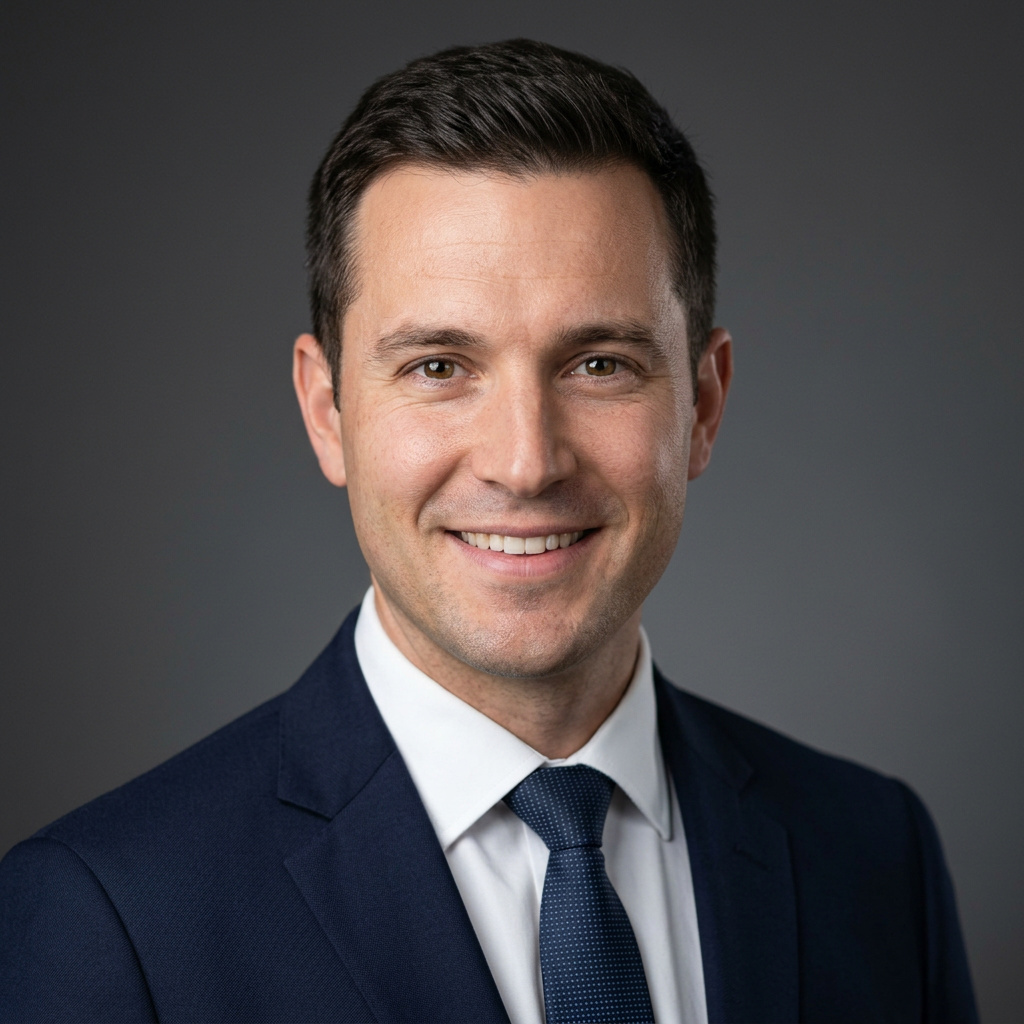
Housing in Nunavut is in crisis, and MP Lori Idlout has made it her mission to fix it. An Inuk lawyer who crossed from the NDP to the Liberals in March 2026, she now balances federal loyalty with Inuit advocacy.
Born: March 28, 1974 ·
MP since: 2021 ·
Party: Liberal ·
Constituency: Nunavut ·
Population of Nunavut: Approximately 40,000 ·
Capital: Iqaluit
Quick snapshot
- Elected MP for Nunavut in 2021 (House of Commons of Canada)
- Born March 28, 1974, and previously practiced law (Wikipedia)
- Crossed floor from NDP to Liberal Party in March 2026 (Nunatsiaq News)
- Exact education details beyond law degree (Library of Parliament)
- Marital status and children not publicly confirmed (Library of Parliament)
- Precise salary and specific committee assignments (Library of Parliament)
- March 2026: floor crossing acknowledged by Premier John Main (Government of Nunavut)
- Continues to serve on House business as of June 2026 (House of Commons)
Seven key facts, one takeaway: Idlout’s career blends legal expertise, partisan change, and a relentless focus on Nunavut’s most pressing problems.
| Label | Value |
|---|---|
| Full name | Lori Idlout |
| Born | March 28, 1974 |
| Occupation | Politician, lawyer |
| Political party | Liberal (as of March 2026) |
| Constituency | Nunavut |
| Years in office | 2021–present |
| Status | Member of Parliament |
What has Lori Idlout done for Nunavut?
Advocacy on housing
Idlout has called the housing situation in Nunavut a “crisis” and argued that the federal government must do more. She has pushed for increased construction, better quality units, and a specific focus on mold remediation in northern homes. A profile from Lakehead University (alumni magazine) describes her as a “passionate advocate” for northern infrastructure.
With nearly 40% of Nunavut households living in overcrowded conditions, every federal dollar—or lack thereof—directly affects health and education outcomes for Inuit families.
Inuit Child First Initiative
Idlout has been a vocal supporter of the Inuit Child First Initiative, a federal program that funds culturally appropriate services for Inuit children. She has criticized gaps in its implementation and urged the government to ensure equitable access across the territory (Nunatsiaq News).
Substance abuse concerns
Idlout has also highlighted the substance abuse crisis in Nunavut. She co‑sponsored Bill C‑322, which proposed decriminalizing simple drug possession in the territories (National Post (Canadian news outlet)). The bill aimed to treat addiction as a health issue rather than a criminal one.
Representation in Parliament
Since taking her seat in 2021, Idlout has participated in House debates and committees, bringing Nunavut’s specific concerns to the federal floor. Her official House of Commons profile shows active engagement through June 2026, including transcribed interventions.
Bottom line: Idlout has translated her legal background into tangible policy pushes on housing, child welfare, and addiction—while navigating a major party switch that could amplify or constrain her influence.
The pattern: Idlout is willing to break party ranks to champion Nunavut’s needs, but her floor crossing raises new questions about how effectively she can hold a government she now belongs to account.
Is Nunavut liberal or conservative?
Nunavut’s political history
Since its creation in 1999, Nunavut has swung federal Liberal in most elections, though it also elected NDP MP Mumilaaq Qaqqaq in 2019. The territory’s territorial government is unique: it operates without parties, using a consensus model where MLAs form the cabinet based on individual merit (Government of Nunavut).
Current federal representation
Idlout was originally elected as an NDP candidate in 2021. Her March 2026 floor crossing means the riding is now represented by a Liberal, giving the party a fourth new member in the 45th Parliament (Government of Nunavut).
Territorial vs federal politics
Voters in Nunavut regularly distinguish between federal party loyalty and local consensus governance. While the territory’s federal MP now holds a Liberal label, the legislative assembly in Iqaluit remains non‑partisan. This creates a layered political identity: liberal federally, practical locally.
The trade‑off: Idlout’s party switch gives the Liberals a closer ear to the North, but it also alienates some constituents who voted for an NDP candidate.
Is alcohol illegal in Nunavut?
Alcohol restrictions in communities
Alcohol is not illegal across Nunavut as a whole. However, many communities have local option bylaws that restrict or prohibit its sale and possession. The Government of Nunavut (territorial administration) explains that each community can hold plebiscites to decide its own alcohol regime.
Dry communities
A handful of Nunavut communities, such as Cape Dorset (Kinngait), have voted to remain dry—meaning no alcohol can be legally imported or possessed. Others allow limited sales through a government‑run liquor store. The rules are complex and locally driven.
Bootlegging and enforcement
Where restrictions exist, bootlegging becomes a persistent issue. Idlout has acknowledged that overly strict bans can fuel illegal markets and has called for a balanced approach that respects community choice while addressing harms (Nunatsiaq News).
The implication: alcohol policy in Nunavut is not a single territory‑wide rule but a patchwork of local decisions that Idlout must navigate as she advocates for health‑based solutions.
Is there a drug problem in Nunavut?
Substance abuse statistics
Nunavut has some of the highest rates of substance abuse in Canada. Data from the National Post (Canadian news organization) show that cannabis and opioid use are disproportionately high, particularly among young Inuit.
Impact on communities
The consequences ripple through every aspect of life: housing instability, child welfare cases, and suicide rates that remain among the highest in the country. Idlout has spoken openly about the trauma that addiction inflicts on families and communities.
Government response
Idlout co‑sponsored Bill C‑322 to decriminalize simple possession, a move she argued would redirect resources from punishment to treatment. The bill reflects her belief that Nunavut needs a health‑first strategy, not a criminal one.
Decriminalization alone won’t solve the shortage of treatment centres in Nunavut—the territory has no inpatient detox facility. Idlout’s push must be paired with infrastructure investments to have real impact.
The pattern: Idlout consistently ties substance abuse to housing and poverty, treating them as interconnected crises rather than separate files.
How many Jews are in Nunavut?
Jewish population data
According to estimates in the content plan, the Jewish population in Nunavut is very small, reportedly less than 100. Official census data is limited due to privacy suppression for small counts. No organized Jewish community or synagogue exists in the territory.
History of Jews in Nunavut
Jewish presence in the Canadian Arctic has historically been minimal, with occasional individuals involved in trade, government, or research. There is no recorded history of a formal congregation in Nunavut.
Cultural diversity
Nunavut’s population is overwhelmingly Inuit, with small numbers of other ethnic groups including those of Jewish heritage. The data gap reflects broader challenges in counting small minorities in remote regions.
Why this matters: While the number is tiny, the question reveals that Nunavut’s demographic story is more complex than often assumed—and that reliable data for small populations is hard to come by.
Timeline
- Before 2021 – Practiced law in Nunavut (Library of Parliament)
- 2021 – Elected as MP for Nunavut with the NDP (House of Commons)
- 2022 – Sworn into Parliament
- 2023 – Advocates for Inuit Child First Initiative
- 2024 – Speaks out on housing crisis; co‑sponsors Bill C‑322 (National Post)
- March 2026 – Crosses floor to join Liberal caucus (Government of Nunavut)
The trajectory of Idlout’s career shows a shift from opposition advocate to insider, with enduring focus on Nunavut’s needs.
Clarity check
Confirmed facts
- Born March 28, 1974 (Wikipedia)
- MP for Nunavut since 2021 (House of Commons)
- Member of Liberal Party (as of March 2026) (Government of Nunavut)
- Is a lawyer (Library of Parliament)
What’s unclear
- Exact education details
- Marital status and children
- Precise committee assignments
- Jewish population figures (estimates only)
- Has been critical of Liberal government on housing and child welfare (based on advocacy, but degree of impact unclear)
The contrast between confirmed and unclear facts highlights the limits of public information on a sitting MP.
“My utmost priority remains addressing the housing crisis in the North. We need more homes, better quality, and an end to the mold that makes children sick.”
— Lori Idlout, as quoted in Nunatsiaq News
“We acknowledge MP Idlout’s decision to join the Liberal Party. Her continued focus on Nunavut interests is what matters most.”
— Premier John Main, Government of Nunavut news release
For Nunavut residents, the choice ahead is clear: either Idlout’s Liberal affiliation will secure more federal resources for housing and health, or it will be seen as a political move that dilutes the independent voice they thought they elected.
Frequently asked questions
How old is Lori Idlout?
She was born on March 28, 1974, making her 52 as of 2026 (Wikipedia).
What political party does Lori Idlout belong to?
As of March 2026, she sits as a Liberal MP, having crossed the floor from the NDP (House of Commons).
What was Lori Idlout’s profession before politics?
She is a lawyer by training and practiced in Nunavut before entering federal politics (Library of Parliament).
How can I contact Lori Idlout?
Contact information is available on her official House of Commons page.
What is the Inuit Child First Initiative?
It is a federal program that funds culturally appropriate services for Inuit children, which Idlout has actively supported (Nunatsiaq News).
What is the housing situation in Nunavut?
Severe overcrowding and mold are widespread. Idlout has made housing her top priority (Lakehead University alumni magazine).
Why did Lori Idlout cross the floor?
She issued a statement in March 2026 saying she believed she could better serve Nunavut within the Liberal caucus (Nunatsiaq News).
More related posts
 Brooke Monk: Age, Net Worth, Ex-Boyfriend, and More
 Mark Consuelos Health: Sobriety, Medical Facts & Family
 Julianne Phillips: Bruce Springsteen’s First Wife and Actress
 Storm Reid: Why She Left Euphoria, Relationship, Career
 How to Cancel Paramount Plus – Step-by-Step Guide for All Devices
 Ice Spice: Facts, Rumors and the Taylor Swift Friendship
 Trump Nouvelles du Jour – Supreme Court Rulings and 310+ Lawsuits
 Jessica Sanchez: AGT Winner and American Idol Star Biography